
Homeowner's Pet Safety Guide: Keeping Dogs Calm & Safe During Hail Storms and Tear-Off Roof Replacements
Quick Homeowner Takeaway
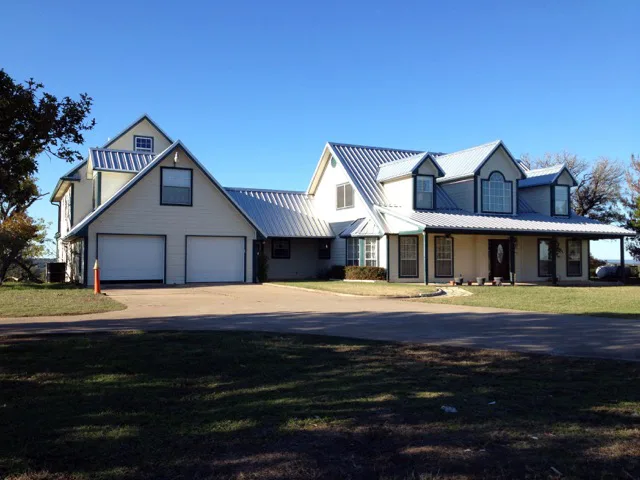
A tear-off roof replacement turns your entire house into a giant acoustic drum for 8 to 14 hours. Planning a quiet ground-floor safe room—or an off-site playdate—plus verifying a triple magnetic nail sweep before letting pups back into the yard prevents 99% of construction-week pet emergencies.
Double Stress in Hail Alley: First the Storm, Then the Roof Tear-Off
Living in Austin, Round Rock, Cedar Park, Georgetown, or the Texas Hill Country means sharing spring and fall weather with severe supercell hailstorms. For dogs, a major Central Texas hail event is a sensory overload: sudden barometric pressure drops, static electricity in the air, blinding lightning, and the deafening roar of 1.5-inch hailstones slamming against skylights, metal roofs, and window glass.
Weeks later, just when your pup has forgotten the storm, a second wave of unfamiliar noise arrives: material delivery booms, six-person crews walking across the plywood decking overhead, scraping shovels prying up old shingles, and pneumatic coil nailers firing thousands of fasteners at 90 to 105 decibels. At Peak Storm Services, we help Texas homeowners restore their entire property—and because so many of the families we serve have dogs, we built this complete before-, during-, and after-construction pet safety playbook.
Part 1: Keeping Dogs Safe During an Active Hailstorm
When a Severe Thunderstorm Warning is issued with quarter-size or larger hail, act before the core of the cell arrives:
- Bring All Pets Indoors Immediately—Away From Skylights & Picture Windows: Large wind-driven hailstones routinely shatter aged skylights and single-pane windows. Move crates, beds, and water bowls into an interior ground-floor hallway, laundry room, or walk-in closet with zero exterior glass.
- Buffer Barometric & Acoustic Triggers: Dogs hear higher frequencies and feel structural vibration through their paws. Run a box fan, white-noise machine, or steady classical/calming audio to mask irregular hail bursts, and offer a compression wrap or familiar Chew enrichment item before panic escalates.
- Keep Collars, ID Tags & Leashes Ready: High winds frequently blow open wooden privacy-fence latches during Texas squalls. Never let dogs bolt out the back door immediately after hail stops until you visually confirm every fence panel and gate latch survived intact.
- Inspect the Yard Before the First Potty Break: Severe storms knock down splintered oak limbs, broken glass from patio fixtures, sharp shingle fragments, and downed utility lines. Walk the yard on a leash first.
Part 2: Why Tear-Off Roof Replacements Sound Different Than Thunder
Many pet parents assume that if their dog tolerates fireworks or distant thunder, they will sleep right through a residential roof replacement. In reality, re-roofing triggers two instincts simultaneously: territorial stranger alert (footsteps and voices directly above the ceiling) and structural vibration (shingle tear-off bars and pneumatic nail guns transmitting low-frequency thuds straight down wall studs into floorboards).
On a typical 2,500-to-3,500-square-foot Central Texas shingle roof, crews drive between 10,000 and 15,000 roofing nails in a single day, alongside tear-off dump trailers, air compressors, and gutter or siding repairs. Even confident dogs often pace, pant, bark at the ceiling, or refuse water when crews are working directly above their favorite room.
48 Hours Before Installation Day: Your Preparation Checklist
A five-minute conversation with your roofing project manager two days before materials arrive eliminates surprises:
- Decide Between Off-Site Care vs. an Interior Safe Zone: For noise-phobic, senior, or heart-sensitive dogs, booking doggy daycare, staying with a relative across town, or scheduling a vet-approved calming plan for tear-off day is the lowest-stress option.
- Build a Ground-Floor "Acoustic Bunker" If Staying Home: Choose a downstairs room farthest from the garage and dumpster drop zone. Lay down thick rugs or orthopedic foam mats to dampen floor vibration, close blinds so falling old shingles outside the window don't startle your dog, and run steady brown noise.
- Remove Fragile Wall Decor & Clear Unfinished Attics/Garages: Hammering on roof decking vibrates drywall nails and pushes fine granule dust through open plank gaps in unfinished garages. Cover pet food bins stored in the garage and never crate a dog directly beneath an uninsulated garage attic during tear-off.
- Lock In Side-Gate Protocols With Your Crew Lead: Roofing crews carry tarps and debris bundles around all four sides of the home continuously. Padlock or zip-tie a bright "DOGS INSIDE — DO NOT ENTER YARD; WALK LEASHED FRONT ONLY" sign on backyard gates, and take all bathroom breaks on a secure leash out the front door away from the dump trailer.
For extra enrichment ideas, lick-mat recipes, and positive-reinforcement calming routines you can practice before construction week, dog parents can explore practical guides on the PupUpp dog lifestyle and care blog.
Comparison: Best Construction-Day Setup by Dog Temperament
| Dog Profile | Recommended Setup | Walk & Potty Protocol | Extra Precaution |
|---|---|---|---|
| Severe Storm / Noise Phobia | Off-site daycare or friend’s quiet home during tear-off hours (7 AM – 6 PM) | Normal walks off-property until crew wraps | Ask vet ahead of time if situational calming support is needed |
| Moderate Alert / Barking Reactor | Downstairs interior room + white noise + frozen stuffed enrichment toy | Leashed front-yard walks away from compressor & dump trailer | Close curtains so falling tarp debris outside windows stays unseen |
| Calm / Senior / Hard-of-Hearing Dog | Thick padded bed on ground floor with family member present | Supervised short leash breaks on swept front sidewalk | Monitor hydration closely; vibration can still cause subtle panting |
Part 3: The Post-Install Yard Audit — Stopping Stray Nail Paw Injuries
Once the new shingles or standing seam panels are installed—you can see dramatic examples in our Before & After restoration gallery—the single most important pet-safety step happens on the ground: hunting down hidden fasteners.
During tear-off, thousands of rusted old nails, sharp metal flashing snips, and plastic cap-nail washers slide off roof pitches. Professional crews drape breathable catch tarps over shrubs, patios, AC condensers, and lawns, followed by rolling heavy-duty rare-earth magnetic sweepers across driveways and grass. Even so, tall St. Augustine turf, pebble beds, mulch rings, and deck gaps can trap a stray nail flat against the soil where a magnet skims right over it—until a dog sprints out the back door.
Before letting your dog off-leash in the backyard after any roof, gutter, or fence restoration, complete this 10-minute homeowner verification sweep:
- Request a Second Cross-Grid Magnet Pass: Ask your site supervisor to roll the magnetic sweeper north-to-south and east-to-west, especially inside the 8-foot "drip line" perimeter around the eaves and around the dumpster parking spot.
- Check Non-Magnetic Hazards by Hand: Remember that aluminum gutter spikes, copper flashing scraps, broken skylight glass, and lead pipe-boot trimmings are non-magnetic—magnets will not pick them up! Visually inspect flowerbeds, gravel dog runs, and patio furniture cushions.
- Flush Downspout Splash Blocks: The first heavy rain after a roof replacement washes loose granules and occasional stray nails out of gutters onto lawn splash zones. Keep splash extensions screened or check downspout exits after the first storm.
Once your yard passes final inspection and your pup is safely lounging beneath a brand-new, storm-tight roof, celebrate the milestone—you can even share your dog's best post-project photo with fellow pet lovers at PupUpp's community dog photo showcase.
Work With a Central Texas Restoration Team That Respects Your Whole Household
At Peak Storm Services, we treat your home, landscaping, and four-legged family members with the same care we give our own. From navigating complex hail insurance claims with carrier adjusters to coordinating clean, tightly supervised installations with meticulous magnetic cleanup, our team handles the stress so your household doesn't have to. Contact Peak Storm Services today or call (512) 771-8172 for a complimentary storm damage inspection.
Frequently Asked Questions
Common Property Owner Questions
Should I board my dog or leave the house during a roof replacement?
If your dog suffers from thunder phobia, separation anxiety, or high territorial reactivity, taking them to doggy daycare or a relative’s home during peak tear-off and nailing hours (typically 7:30 AM to 5:30 PM) is the calmest choice. Mild-mannered dogs can stay comfortable in an interior downstairs room with white noise and family supervision.
How loud is a roof replacement inside the house for pets?
Inside upper-floor rooms directly beneath the roof deck, tear-off scraping and pneumatic nail guns regularly reach 80 to 95 decibels accompanied by structural vibration. Moving pets to a ground-floor interior room with thick rugs and a box fan cuts perceived noise dramatically.
How do roofers keep nails out of my backyard where my dog plays?
Reputable contractors stake perimeter catch tarps over lawns, flowerbeds, and patios before tearing off a single shingle, then run commercial rare-earth magnetic rollers across all turf, gravel, and driveways in multiple directions once installation wraps.
Can magnetic nail sweepers pick up every sharp object after storm restoration?
Magnetic rollers capture steel roofing nails and staples, but aluminum gutter rivets, copper flashing trimmings, broken window glass, and plastic cap rings are non-magnetic. Always perform a visual walk of mulch beds, decks, and downspout exits before letting dogs run off-leash.
How many days does a typical residential storm roof replacement take?
Most single-family asphalt shingle tear-offs and replacements in Central Texas are completed in 1 to 2 days, while custom standing seam metal, clay tile, or multi-trade restorations (including gutters, windows, and stucco) take several scheduled days with quieter detail phases.
Find out how we can take away your headache too. Contact Peak Storm today.